The Shed Registry
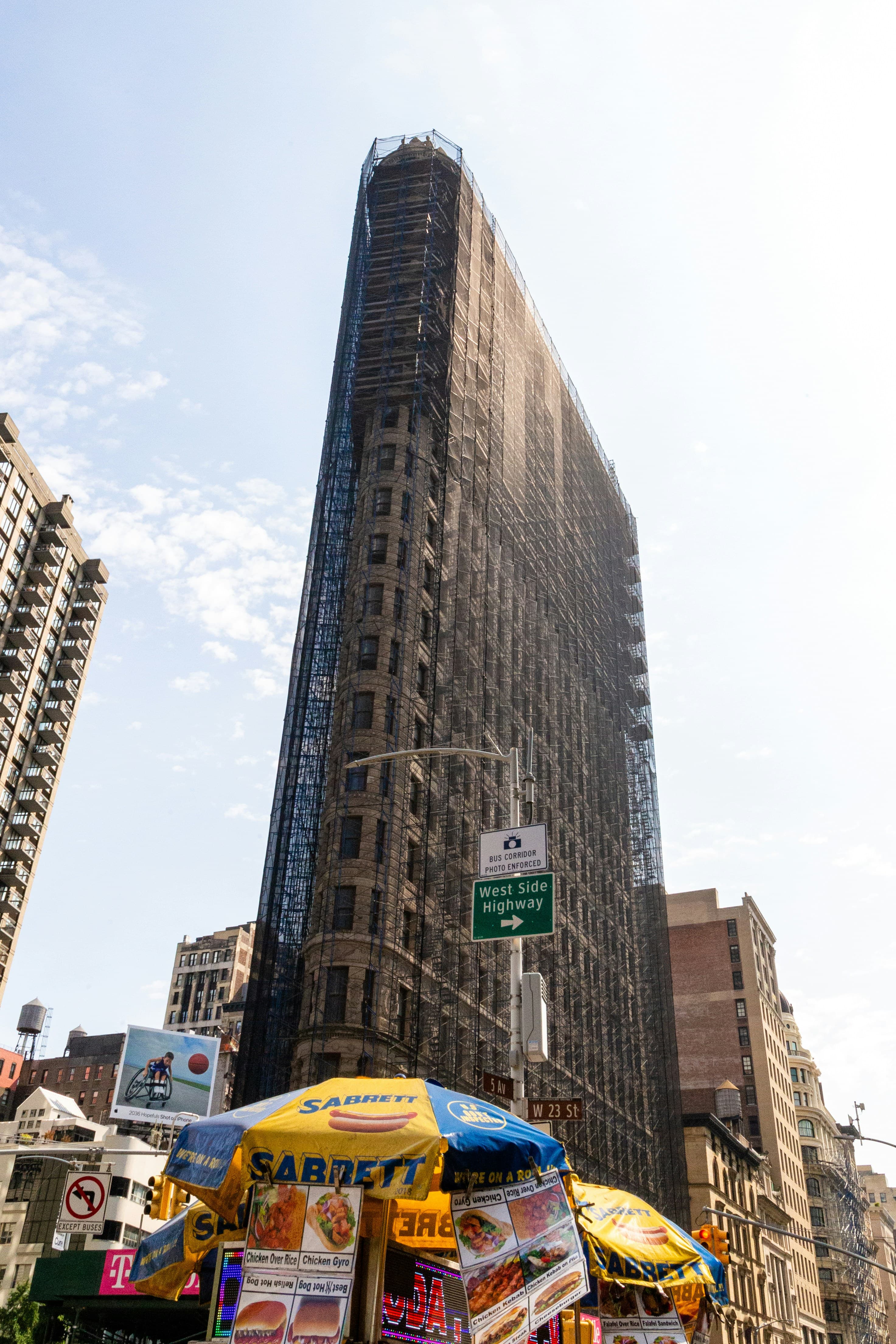
Say your co-op board approves a facade repair contract on Monday, the sidewalk shed starts going up the next week, and shareholders first hear about it when green plywood appears outside the lobby. The project may be necessary. The communication still failed.
A shareholder communication template for scaffolding projects should do five things: explain why the work is happening, name what will change, set the next update date, identify one point of contact, and preserve a dated board record. This matters even more under the 2026 sidewalk shed rules. DOB says sidewalk shed permits issued or renewed on or after January 26, 2026, have a maximum duration of 90 days, are not automatically renewed, and require a $130 renewal fee each cycle [1].
This guide gives your board copy-ready notices for the full project arc: approval, installation, renewal updates, delays, and closeout. Before sending any notice, compare scaffolding contractors by verified permit activity so the board can explain its decision with records, not sales language.
The five-message system for scaffolding projects
A scaffolding communication plan works best as a cadence, not a single long announcement. Send the right notice at each milestone, then keep every notice in a dated communication log.
| Message | Send it when | Purpose |
|---|---|---|
| Project announcement | After board approval, before mobilization | Explain the need, scope, team, target timeline, and contact |
| Installation and access notice | 3 to 7 days before shed or scaffold work begins | Flag sidewalk, lobby, noise, access, and safety impacts |
| 90-day renewal update | Before each renewal or at least quarterly | Report progress, next steps, schedule risk, and expected removal path |
| Delay or schedule-change notice | As soon as the board has confirmed facts | Explain what changed, what is affected, and when the next update arrives |
| Completion and closeout notice | When removal is scheduled or the punch list begins | Clarify removal timing, final inspections, and remaining closeout work |
The 90-day update is the piece most older templates miss. DOB's service notice says the Registered Design Professional is added to DOB NOW as a stakeholder and must answer progress questions when the permit request is submitted and at each renewal [1]. Shareholders do not need DOB filing detail in every email, but they do need a predictable explanation of progress and delay.
For the procurement side of the file, pair this with the co-op board scaffolding RFP template and the 90-day sidewalk shed permit renewal guide.
Template 1: Board approval and project announcement
Use the first notice to set the narrative before residents fill the gaps themselves. Keep it factual: what triggered the work, who reviewed it, who was selected, what happens next, and where questions go.
Subject: Upcoming facade and scaffolding project at [building address]
Dear Shareholders,
The Board has approved [facade repair / inspection access / sidewalk shed / scaffold] work at [building address] based on the recommendation of [engineer or architect name]. The work is needed because [short reason: FISP filing, unsafe condition, parapet repair, leak investigation, facade repair, or DOB requirement].
The Board reviewed [number] proposals, professional scope documents, insurance materials, and contractor information before approving [contractor name]. The managing agent will coordinate the project with [engineer or architect name], building staff, and the contractor.
Current target schedule
- Mobilization: [date or date range]
- Shed or scaffold installation: [date or date range]
- Primary work period: [date range]
- Next shareholder update: [date]
Some details may change after site conditions, DOB filings, and contractor coordination are finalized. We will send a separate installation notice before access, sidewalk, lobby, or noise impacts begin.
Please direct project questions to [name, title, email, phone]. Individual Board members should not be treated as separate project contacts, so the building can keep one consistent record of questions and answers.
Thank you for your patience while this required work moves forward.
The Board of Directors
This notice should not overpromise the removal date. Say "target schedule," not "completion guarantee." If the board is still comparing bidders, use the co-op board scaffolding due diligence guide before the announcement goes out.
Template 2: Installation, access, and safety notice
The installation notice should answer the questions shareholders ask first: what will they see, what will they hear, what access changes, and who should they contact. If only certain apartments, storefronts, terraces, or sidewalk areas are affected, send a separate targeted notice to those shareholders.
Subject: Scaffolding installation notice for [building address]
Dear Shareholders and Residents,
Scaffolding or sidewalk shed installation is scheduled to begin on [date] and is expected to continue through [date or range], weather and site conditions permitting.
What to expect
- Work hours: [days and hours]
- Areas affected: [sidewalk, entrance, courtyard, roof, rear yard, terraces, specific facade]
- Access changes: [temporary route, door closure, elevator/stair impact, delivery instructions]
- Noise and activity: [expected drilling, truck activity, sidewalk bridge assembly, material staging]
- Safety instructions: Please follow posted signs, do not enter marked work areas, and direct questions to building management.
The building owner remains responsible for coordinating safe project work. DOB's owner checklist for sidewalk sheds says owners should hire qualified professionals, maintain safe conditions during the work, and confirm proper closeout after completion [2].
If you have a specific access concern, contact [name and contact details] by [date/time]. Building staff and the contractor should not be asked to approve special access changes outside the official project process.
We will send the next project update by [date].
The Board of Directors
Do not rely on a lobby sign alone. Use email or the resident portal for the official record, then post a shorter lobby notice that points back to the full notice. For the pre-installation sequence, see steps before a scaffold goes up in NYC.
Template 3: 90-day renewal or mid-project update
For long-running scaffold projects, a quarterly update should become standard. The 90-day permit cycle gives the board a natural cadence for telling shareholders what has been completed, what is next, and what may affect timing.
Subject: Scaffolding project update for [building address]
Dear Shareholders,
This is the Board's [monthly / quarterly / 90-day] update on the scaffolding and facade project at [building address].
Progress since the last update
- Completed: [specific work completed]
- In progress: [current work]
- Next phase: [next planned activity]
- Current target removal window: [date range, if known]
The sidewalk shed permit remains subject to DOB's 90-day renewal process. Local Law 48 says sidewalk shed permits are issued for 90 days and may not be renewed until department penalties for sidewalk sheds in the public right-of-way are paid [3]. The Board and managing agent are tracking renewal dates with the project professionals.
At this time, [state one of: the project remains on the current target schedule / the project is behind the previous target schedule / the schedule is being revised after site review]. The next shareholder update will be sent by [date].
Questions should be sent to [contact]. To avoid inconsistent information, please use this contact rather than separate replies to individual Board members.
The Board of Directors
If project pace is becoming a cost issue, use the renewal update to explain how the Board is evaluating schedule risk and compare contractor permit records and borough coverage before any replacement or future bid decision.
Template 4: Delay, access issue, or schedule-change notice
A delay notice should be short, specific, and careful. Shareholders need the confirmed issue, the expected effect, and the next update date. They do not need blame, legal speculation, or a promise the board cannot control.
Subject: Schedule update for [building address] scaffolding project
Dear Shareholders,
The Board is writing to update you on a schedule change affecting the [facade repair / scaffolding / sidewalk shed] project.
What changed: [Confirmed fact: access coordination, weather, DOB filing, material delivery, additional facade condition, neighbor access issue, contractor schedule revision.]
What this affects: [Installation date, work area, noise period, access route, target removal window, or renewal timing.]
What the Board is doing: [Managing agent is coordinating with contractor; engineer is reviewing revised scope; counsel is addressing access; contractor is submitting revised schedule; board is reviewing change-order documentation.]
Next update: [date].
We understand that scaffolding affects daily routines, light, access, deliveries, and building appearance. The Board is keeping a dated project file that includes notices, contractor updates, professional reports, and shareholder questions. That file helps the Board track facts consistently as the project changes.
Please send project questions to [contact]. If your apartment, terrace, storefront, or access route is directly affected, include your unit number and the specific issue.
The Board of Directors
Say adjacent access delays rear-facade work. The notice should not say "the neighbor is blocking us" unless counsel has approved that wording. It should say the confirmed fact: access coordination is still pending, the schedule is being revised, and the board will update shareholders by a specific date. For related planning, read the neighbor scaffolding access disputes guide and the idle shed penalty avoidance guide.
Template 5: Completion, removal, and closeout notice
The last notice should make the end of the project legible. Shareholders want to know when the shed comes down, what work remains, and whether building access will be disrupted again during removal.
Subject: Scaffolding removal and project closeout update
Dear Shareholders,
The Board is pleased to report that [main facade work / required inspection work / repair phase] has reached [substantial completion / final inspection / punch-list stage].
Current closeout plan
- Remaining work: [brief list]
- Removal preparation: [date or date range]
- Expected shed or scaffold removal: [date or date range]
- Areas affected during removal: [sidewalk, lobby, entrance, courtyard, street, deliveries]
- Final project update: [date]
DOB's owner checklist says the contractor must properly notify DOB before removing the sidewalk shed, and the shed cannot be removed until the structure is enclosed and exterior work is complete [2]. The Board will confirm closeout steps with the managing agent, contractor, and project professionals.
Thank you for your patience during the project. Please continue to follow posted safety instructions until removal is complete.
The Board of Directors
If removal speed was a major issue, keep that fact in the board's procurement file for future projects. The next board should not have to relearn the same contractor lesson. For future selection, review fast sidewalk shed removal contractors in NYC.
Communication log and channel rules
The communication file should be simple enough that the managing agent can maintain it every week. Use it to prevent scattered answers, preserve board memory, and support a good-faith decision record.
Keep a log with these fields:
| Date | Notice or question | Channel | Owner | Status |
|---|---|---|---|---|
| [date] | Project announcement sent | Email and portal | Managing agent | Complete |
| [date] | Installation notice posted | Email, portal, lobby | Managing agent | Complete |
| [date] | Unit-specific access question | Managing agent | Pending contractor response | |
| [date] | 90-day update sent | Email and portal | Board secretary | Complete |
Do not let every board member answer separately. Pick one official channel for the record, such as email plus a resident portal, and one official contact. Lobby signs are useful reinforcement, not the official project file.
This is governance discipline, not paperwork theater. New York Business Corporation Law Section 717 says directors must perform their duties in good faith and with the care an ordinarily prudent person in a similar position would use under similar circumstances [4]. A clear communication log helps show what the board knew, what it sent, and how it responded when facts changed.
For the board vote record, use the board resolution template for scaffolding procurement.
FAQ
How much notice should a co-op board give before scaffolding goes up?
Give shareholders an initial project announcement after board approval, then send a separate installation notice 3 to 7 days before work begins. If access, terraces, storefronts, or specific apartments are affected, send targeted notices to those shareholders before the all-building impact begins.
How often should shareholders get updates during a scaffold project?
Monthly is best during active disruption. For longer sidewalk shed projects, send at least a 90-day update tied to the DOB renewal cycle. The update should say what was completed, what is next, whether the target schedule changed, and when shareholders will hear from the board again.
Should the board use text messages, email, mail, or lobby notices?
Use email or a resident portal as the official record, then use lobby notices as reinforcement. Text messages should be reserved for urgent access or safety changes. Mail may be appropriate for shareholders who do not use digital channels, but the board should still keep one dated communication log.
What should the board say if the schedule changes?
State the confirmed fact, the practical effect, the board action, and the next update date. Avoid blame or predictions the board cannot control. A good delay notice says what changed, what it affects, who is handling it, and when shareholders will receive a new update.
Can the contractor communicate directly with shareholders?
The contractor can provide project facts to the managing agent, attend a meeting, or help draft technical language, but the board or managing agent should control official shareholder notices. Direct contractor-to-shareholder communication can create inconsistent answers and weaken the project record.
Make the notice system part of the project
Scaffolding communication is not a courtesy item after the real work. It is part of the project file.
This week, pick the official contact and channel. Before installation, send the access notice and archive it. Every 90 days, send a short progress update that matches the renewal file. When the project slips, state confirmed facts and the next update date.
NYC still has thousands of active sidewalk sheds, and city officials continue to pressure owners to remove longstanding structures faster [5].
The board cannot make every scaffold project painless, but it can make the record clear. For the next project, use verified NYC Open Data permit records to build a contractor shortlist before the first shareholder notice goes out [6].
6 sources
[1] NYC Department of Buildings, "Sidewalk Shed Service Notice," nyc.gov
[2] NYC Department of Buildings, "Project Checklists for Owner: Sidewalk Shed," nyc.gov
[3] NYC Department of Buildings, "Local Law 48 of 2025," nyc.gov
[4] New York State Senate, "Business Corporation Law Section 717: Duty of directors," nysenate.gov
[5] NYC Mayor's Office, "Mayor Mamdani Launches New Efforts to Take Sidewalk Sheds Down," nyc.gov
[6] NYC Open Data, "DOB Sidewalk Sheds Dataset," data.cityofnewyork.us